How to Choose a Roof Cleaning Service in Melbourne's Bayside
Maintaining a coastal home in Melbourne's picturesque Bayside region comes with distinct rewards and unique property maintenance challenges. From the heritage estates of Brighton and Hampton to the modern architectural designs of Sandringham, Black Rock, and Beaumaris, residential roofs along Port Phillip Bay endure constant exposure to harsh coastal elements. Airborne sea salt, persistent humidity, sudden temperature shifts, and heavy seasonal rains encourage the rapid colonization of roofs by lichen, moss, mold, and black algae. Over time, these organic infestations undermine the structural integrity of your roofing materials and drastically diminish your home's street appeal.
Selecting the right contractor for roof cleaning requires careful consideration of safety protocols, specialized cleaning methods, local environmental laws, and property insurance standards. Entrusting your roof to an unqualified operator using aggressive methods can lead to cracked tiles, stripped surface coatings, water ingress, and costly damage to delicate pointing. This comprehensive guide outlines everything property owners need to consider when hiring a professional exterior cleaning company in Melbourne's Bayside.
Understanding Bayside's Unique Coastal Roofing Challenges
Roofs along Melbourne's coastal strip face an environmental profile entirely different from properties located in inland or https://pressurecleaningbayside.com.au/about/ eastern suburbs. The combination of salt-laden sea air blowing off Port Phillip Bay and high winter humidity creates an ideal breeding ground for microscopic organisms. Moss and lichen thrive on porous surfaces such as concrete tiles and unglazed terracotta, sending tiny microscopic roots (rhizines) into the tile matrix. As these growths expand and contract with weather variations, they fracture the tile surface, degrade mortar pointing, and create pathways for roof leaks.
Furthermore, coastal winds carry fine sand and sea salt deposits that settle on Colorbond steel, terracotta, and cement profiles. When mixed with environmental pollutants and bird droppings, these deposits form corrosive layers that shorten the lifespan of roofing substrates and manufacturer-applied coatings. Addressing these problems requires an exterior cleaning specialist who understands how marine microclimates interact with diverse roofing materials.
Soft Washing vs High-Pressure Washing: What Your Roof Actually Needs
One of the most critical decisions when evaluating a service provider is their approach to cleaning techniques. While high-pressure blasting might seem like a quick way to strip away grime, excessive force can devastate residential roofing systems. Reputable professionals distinguish carefully between where pressure cleaning is appropriate and where gentler chemical methods must be applied.
The Danger of Excessive Pressure on Roof Substrates
Traditional high-pressure power washing can deliver water at pressures exceeding 3,000 to 4,000 PSI. When applied directly to concrete or terracotta tiles, such intense pressure strips away the protective glaze or factory slurry coat, leaving the tile porous and more prone to rapid moisture absorption. High pressure can also shatter fragile ridge capping mortar, blow water up underneath tile overlaps into ceiling cavities, and void manufacturer warranties on modern Colorbond installations. Uncontrolled pressure application frequently leads to internal water damage, compromised insulation, and hazardous electrical faults.
The Role of Modern Soft Washing
Modern industry standards emphasize soft washing as the preferred method for residential roofs. Soft washing combines low-pressure water delivery (typically below 500 PSI) with specialized biodegradable cleaning solutions, algaecides, and surface surfactants. This method treats the root cause of biological contamination rather than simply dislodging surface growth. The active solutions kill spores at the cellular level, ensuring that moss, mold, and lichen do not quickly regenerate. Once applied, the solution is gently rinsed away, or in some self-cleansing formulations, left to weather off naturally while preserving the roof's structural integrity.
Where Pressure Cleaning Belongs
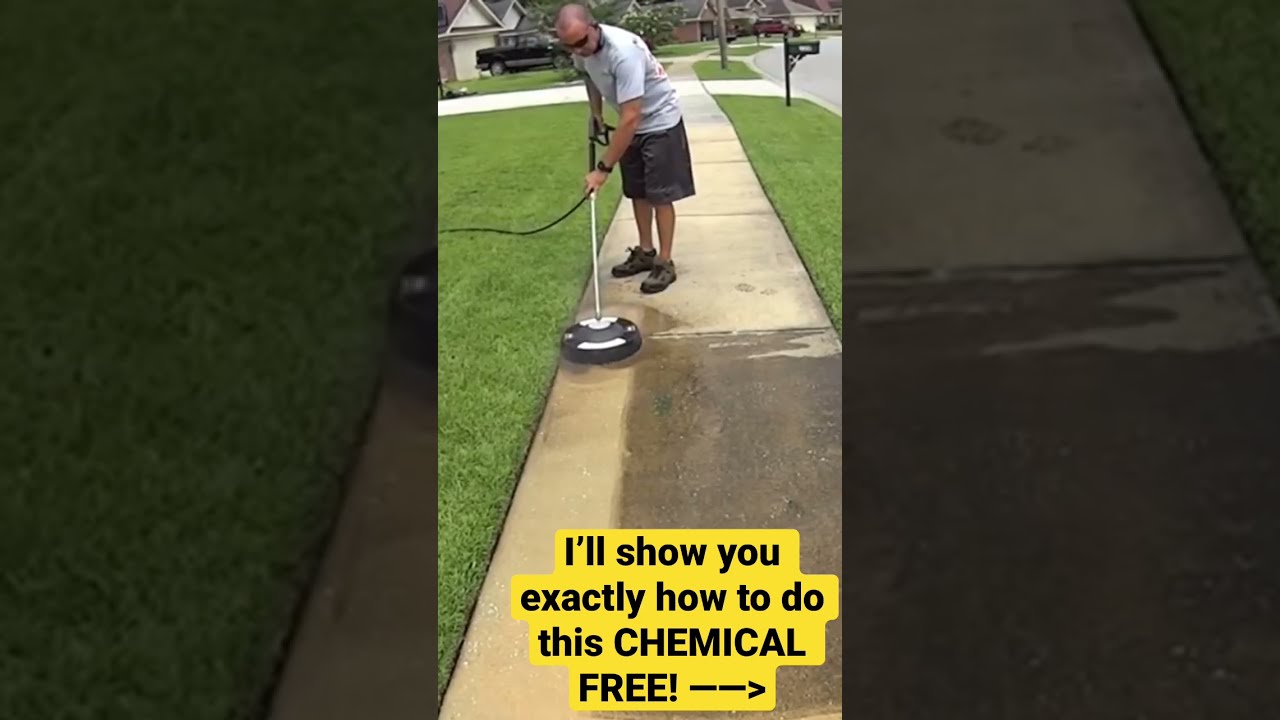
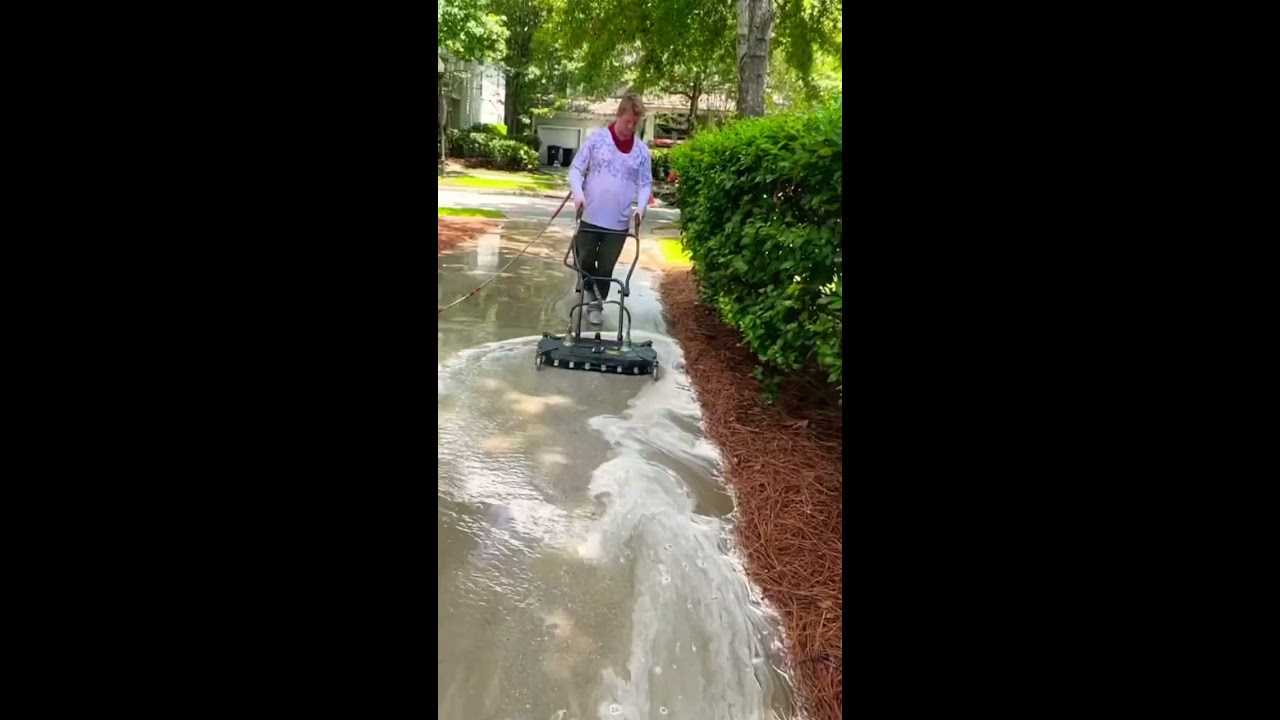
While gentle methods are paramount on the roof, traditional pressure washing remains an indispensable tool for other hard surfaces around the home. Comprehensive property rejuvenation often pairs roof treatments with high-pressure driveway cleaning, pathway restoration, and low-pressure house washing for weatherboards and render. An experienced contractor will operate versatile machinery that allows them to dial pressure down for delicate roof tiles and scale it up when blasting stubborn oil stains, tire marks, and embedded dirt from concrete driveways and bluestone paving.
Key Criteria to Evaluate When Selecting a Contractor
Homeowners must exercise due diligence when comparing quotes. The exterior cleaning industry encompasses a broad range of operators, from solo handymen using entry-level equipment to fully certified, insured industrial cleaning teams. To ensure you protect your property and avoid legal liability, evaluate prospective providers against strict operational benchmarks.
- Working at Heights Certification: Roof maintenance is inherently dangerous. Any technician stepping onto your roof must hold current Safe Work Australia-recognized RIIWHS204E (Work safely at heights) certification. Inquire whether their team uses proper personal fall arrest systems, static lines, and edge protection in compliance with WorkSafe Victoria regulations.
- Public Liability and Workers' Compensation: Never engage a contractor who cannot provide current certificates of currency for public liability insurance (a minimum of $10 million to $20 million is standard for residential property) and active WorkSafe Victoria worker cover. If an uninsured operator is injured on your property, you could face complex legal disputes.
- Environmental and EPA Compliance: Runoff containing chemical biocides, heavy salts, and loosened organic sludge must never enter the Bayside stormwater system, which drains directly into Port Phillip Bay. Professional operators utilize drain catchment systems, vacuum recovery units, or water diversion barriers to comply with Environment Protection Authority (EPA) Victoria standards.
- Specialized Equipment and Chemical Knowledge: Ask about the specific cleaning detergents and machinery being deployed. Legitimate operators invest in commercial-grade 12-volt or air-diaphragm soft wash systems, proportioning valves, and targeted, eco-friendly biocides tailored to your specific roofing material.
- Local Track Record and Verifiable Reviews: Choose a business with established roots in Melbourne's Bayside communities. Local contractors understand the distinct construction styles of the area, from Victorian-era slate roofs in Brighton to mid-century modernist flat roofs in Beaumaris, and can provide verifiable local references and before-and-after portfolios.
Environmental Regulations and Stormwater Protection in Bayside
Melbourne's Bayside councils maintain strict oversight over local drainage networks to safeguard the marine ecology of Port Phillip Bay. Untreated water runoff from power washing and roof cleaning operations often carries heavy loads of sediment, moss particles, atmospheric pollutants, and chemical residues. Discharging these materials into gutters that connect directly to street drainage is a direct violation of local environmental bylaws.

When interviewing service providers, ask specifically how they manage runoff control. A responsible operator will implement proactive measures, such as temporarily disconnecting downpipes, diverting initial rinses into holding tanks, or sealing downpipe grates with neutralising sponges and containment berms. If downpipes are plumbed directly to rainwater harvesting tanks, the contractor must ensure those tanks are completely isolated from the system until the roof has undergone several natural rainfall flushing cycles.
Bundled Exterior Maintenance: Maximizing Service Value
Property owners often discover that cleaning a roof highlights dirt and biological staining on other parts of the home's exterior. When a roof is cleaned, microscopic debris, rinse water, and dirt can occasionally drift onto gutters, solar panels, walls, and ground surfaces. For this reason, many homeowners coordinate their roof maintenance with complementary services to achieve complete exterior restoration.
Inquiring about package options can provide significant cost efficiencies. For example, scheduling simultaneous house washing cleans exterior walls, eaves, and window trims that sit immediately beneath the roofline. Similarly, pairing roof treatments with professional driveway cleaning allows the contractor to clear driveway, patio, and pool-surround grime using specialized surface cleaners in a single visit, saving on travel fees and setup times. A reliable exterior cleaner will offer clear, itemized pricing that demonstrates the savings achieved through bundling these exterior services.
Crucial Questions to Ask Before Signing an Agreement
To avoid misunderstandings, property damage, or unexpected charges, hold a structured conversation with prospective service providers before accepting a quote. Clarifying their operational standards upfront ensures a smooth, professional service experience.
- What specific cleaning method will you use on my roof substrate (e.g., terracotta, cement tile, Colorbond, or slate)?
- Do your technicians walk directly on the tiles, and if so, how do you prevent cracked tiles or replace broken ones if accidents occur?
- How will you capture and manage chemical runoff to protect my garden plants, domestic pets, and the local stormwater system?
- Can you provide a current certificate of currency for both public liability insurance and WorkSafe Victoria worker compensation?
- Does your roof cleaning service include clearing and flushing the gutters and downpipes after the cleaning is finished?
- What post-treatment warranty or guarantee do you offer against the premature regrowth of moss, lichen, and algae?
Evaluating Quotes and Warranties
Cost should never be the sole determining factor when selecting a roof restoration or cleaning partner. Unusually low quotes frequently indicate cut corners, such as lack of height safety gear, non-existent insurance coverage, or the dangerous use of high-pressure water directly on delicate tile surfaces without proper chemical treatments. Conversely, the highest quote does not automatically guarantee superior service.
Ensure that all proposals are fully itemized in writing. A professional proposal should outline surface preparation steps, the cleaning agents used, the method of application, gutter clearing procedures, and waste disposal protocols. Furthermore, review any warranties carefully. Reputable companies that utilize high-grade soft washing biocides often provide a 12 to 24-month warranty against significant biological regrowth, giving you confidence that your investment will yield lasting visual appeal and structural protection.
Protecting Your Property Investment for the Long Term
Your roof represents the primary defense system protecting your home against Melbourne's volatile coastal weather. Neglecting moss accumulation and salt crusting compromises that barrier, leading to premature aging of materials, degraded insulation, and expensive interior repairs. On the other hand, trusting an inexperienced contractor can leave you with broken tiles, damaged gutter systems, and dead garden vegetation.
By prioritizing certified height safety practices, demanding soft-wash techniques over destructive pressure application, verifying insurance coverage, and ensuring strict compliance with local environmental standards, you can confidently choose a professional service in Melbourne's Bayside. A thorough, expertly executed roof wash restores your home's exterior aesthetics, protects structural integrity, and ensures your property continues to withstand the coastal elements for years to come.
Bayside Pressure Cleaning Pros
Unit 3/3-5 Arnold St, Cheltenham VIC 3192
ph. (03) 4517 6380